





By Olawale Olurotimi
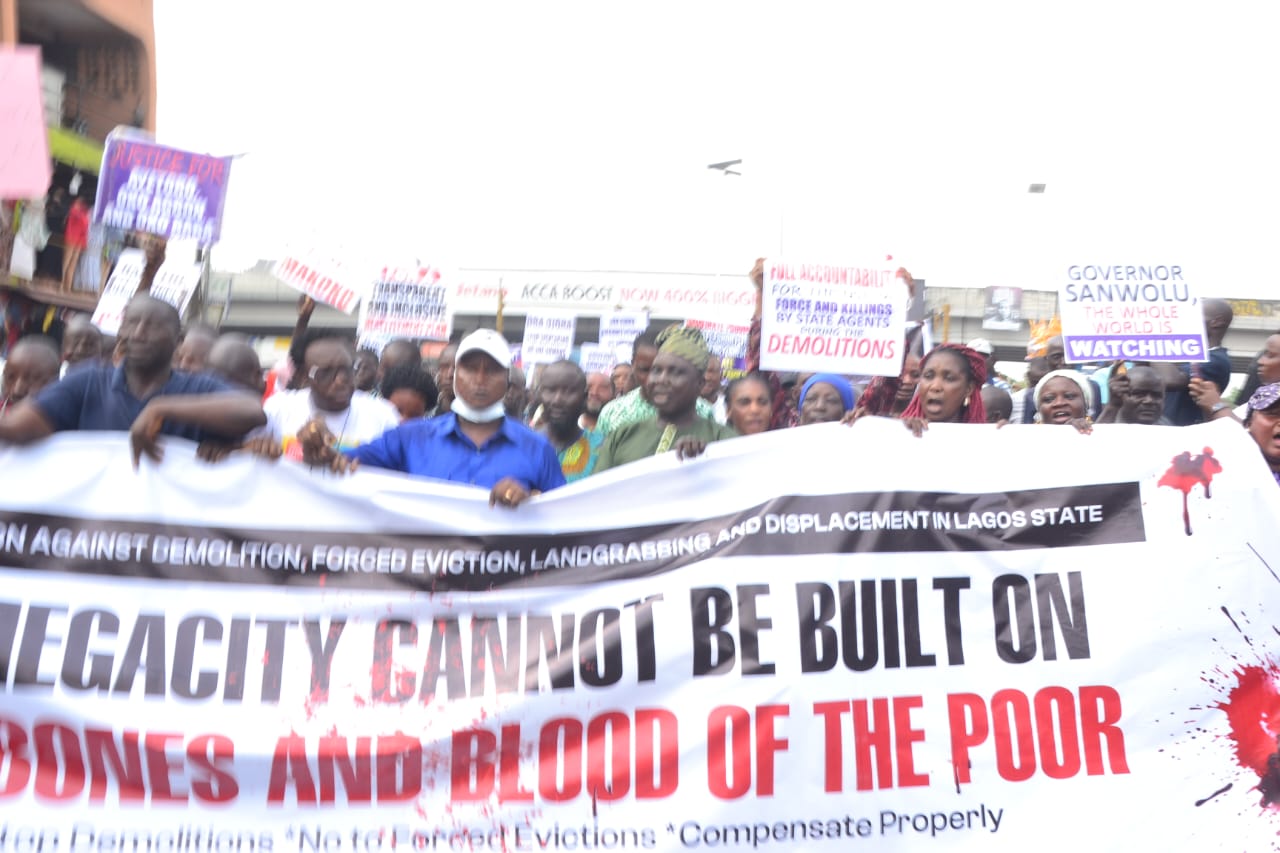
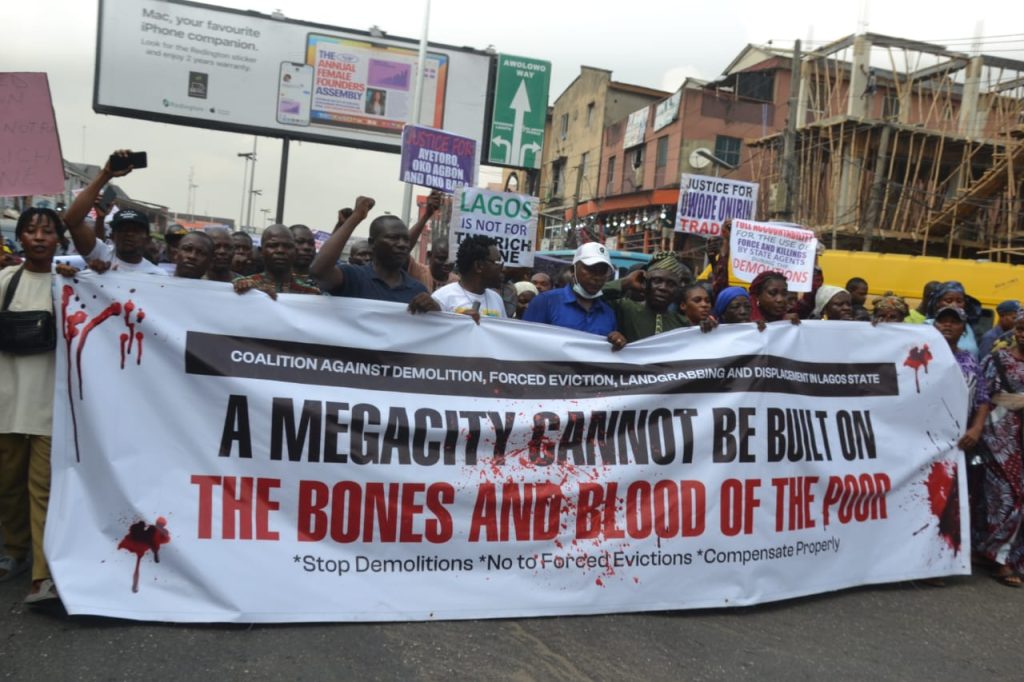
A coalition of civil society groups and displaced residents on Wednesday staged a protest from the Ikeja Underbridge to the Lagos State House of Assembly complex to condemn what they described as the growing culture of state-backed demolitions and forced evictions across Lagos State.
The protesters, operating under the banner Coalition Against Demolition, Forced Eviction, Landgrabbing and Displacement in Lagos, carried placards with inscriptions such as “Lagos Is Not For The Rich Alone,” “Stop Forced Evictions,” “Homes Before Hotels,” “Stop the Demolitions,” and “Our Lives Also Matter.” They accused the Lagos State Government of prioritising elite and commercial interests over the survival of poor and working-class residents.
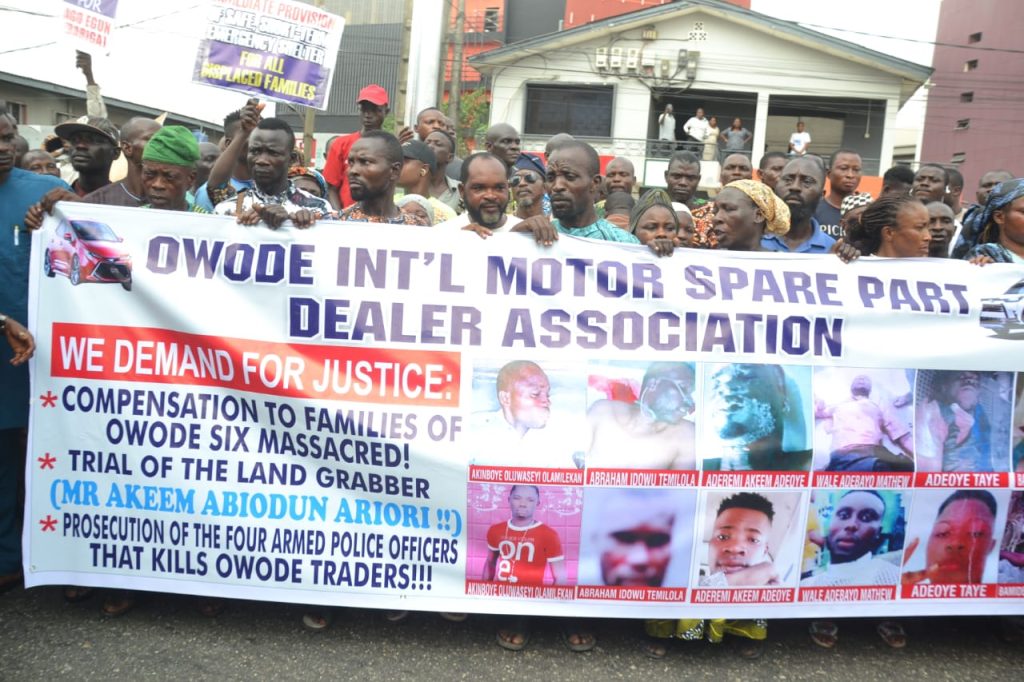
Members of the coalition alleged that within the last one year, tens of thousands of homes had been demolished in waterfront and low-income communities including Makoko, Oko Agbon, Sogunro, Otumara, Oworonshoki, and Bariga. They further claimed that traders at the Owode Onirin spare parts market and residents of Ajegunle were facing imminent eviction without adequate notice, compensation, or resettlement plans.
According to the protesters, the demolitions have displaced thousands of families, disrupted livelihoods, and deepened poverty in Africa’s most populous city. They accused Governor Babajide Sanwo-Olu and what they described as powerful business interests of grabbing lands belonging to poor communities to make way for luxury homes, hotels, and commercial developments.
“Governor Sanwo-Olu and his rich cronies cannot continue to take over poor people’s land to build hotels and luxury homes. Development that destroys lives is not development,” the protesters said.
The protesters warned that if the demolitions continued unchecked, low-income earners would be gradually pushed out of Lagos.
Speaking on behalf of the protesters at the Assembly complex, the Assistant Executive Director of Corporate Accountability and Public Participation Africa (CAPPA), Mr. Zikora Ibeh, accused the state government of carrying out demolitions without resettlement plans. He alleged that the exercise had extended far beyond earlier safety agreements, including the agreed 100-metre setback from high-tension power lines in Makoko and other communities.
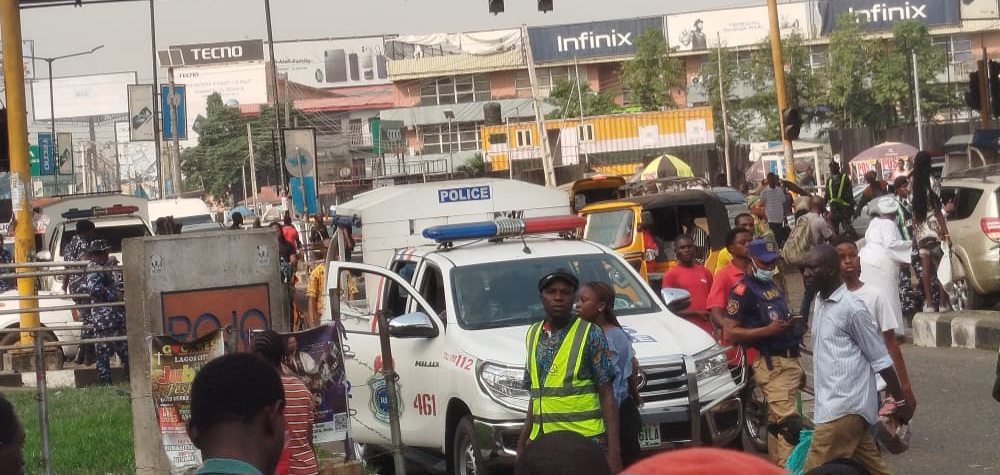
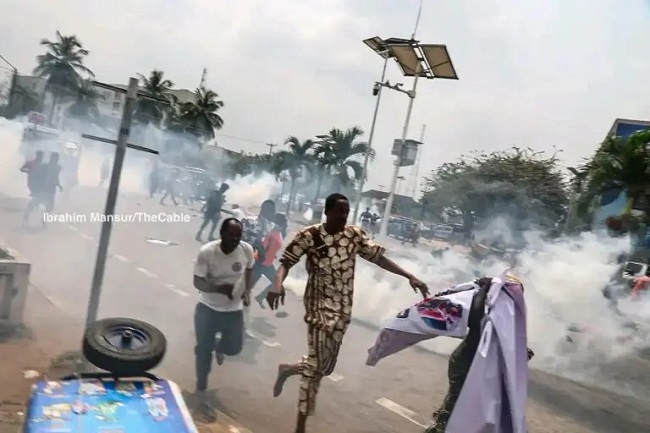
Ibeh also accused the police of arresting several protesters, including a youth leader, Hassan Taiwo, popularly known as Soweto. He alleged that police fired teargas canisters to disperse the largely unarmed crowd, including women, and that some protesters were dragged into the Assembly complex.
“We are demanding an immediate halt to all evictions, compensation for affected families, and strict enforcement of agreed safety standards,” Ibeh said.
However, reacting to the allegations, the Chairman of the House Committee on Information, Mr. Stephen Ogundipe, denied that the Lagos State House of Assembly authorised the use of teargas, arrests, or any form of force against the protesters. He said lawmakers withdrew from the Assembly gate on the advice of the Commissioner of Police to prevent confrontation and escalation.
Ogundipe dismissed claims that lawmakers watched as police unleashed teargas and live ammunition on protesters, describing the allegations as false, sensational, and unsupported. He stated that the Assembly was on recess at the time but that some lawmakers present attempted to engage the protesters.
He further accused some protesters of rejecting dialogue and attempting to breach security protocols governing the legislative complex. According to him, one of the protesters became verbally abusive and made defamatory and inflammatory allegations against the Commissioner of Police.
Ogundipe reaffirmed the Assembly’s commitment to peaceful civic engagement and democratic rights, noting that intimidation, misinformation, and attempts to breach secured government facilities could not be justified under the guise of protest.
