





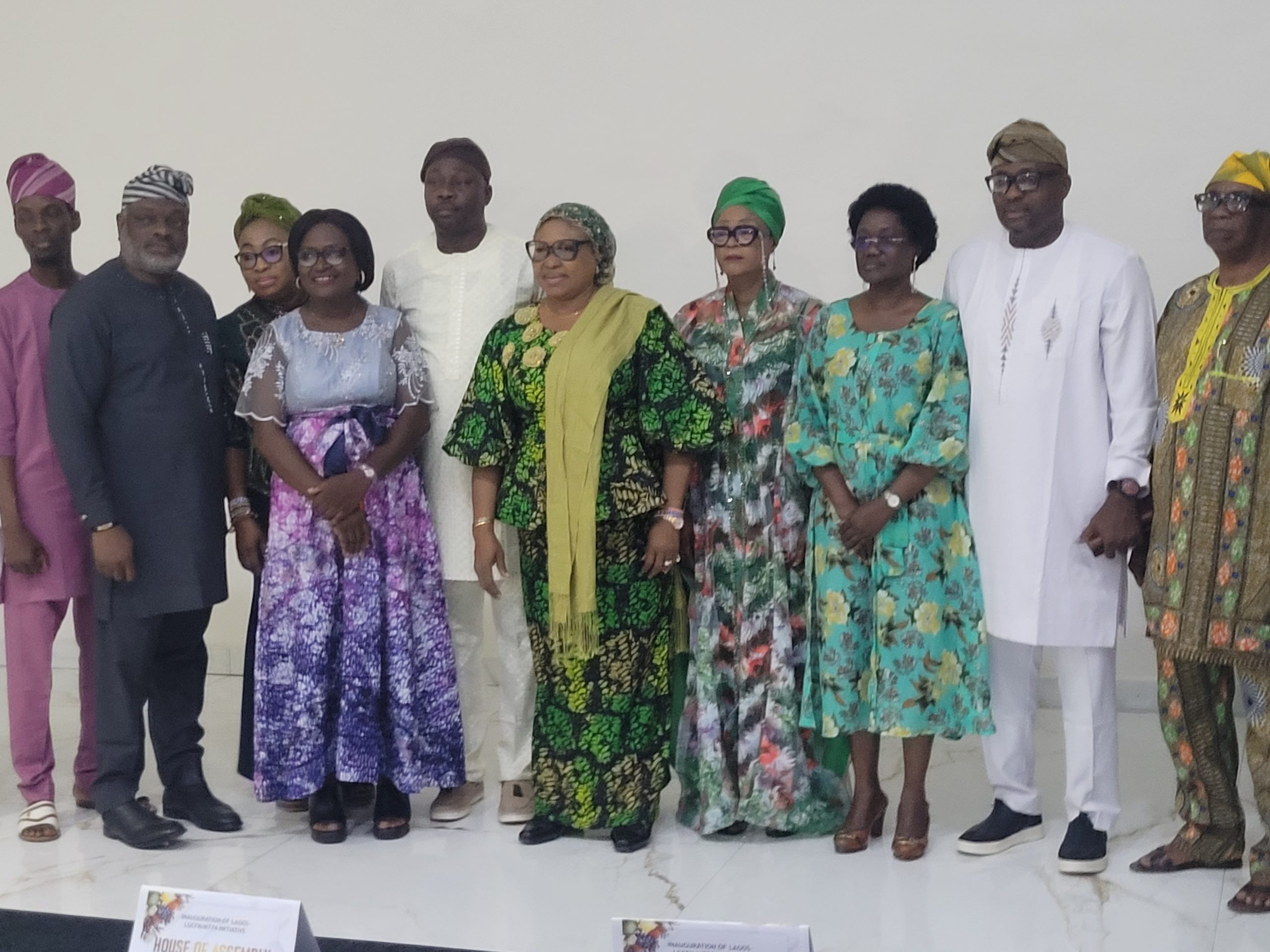
The battle against the “silent killer” of malnutrition in Nigeria has moved from the halls of government to the doorsteps of the people. In a decisive move to protect the future of its citizens, the Lagos State Government has officially inaugurated Local Government (LG) and Local Council Development Area (LCDA) Committees on Food and Nutrition.

The two-day inauguration, held at the Dover Hotel in Ikeja, signaled a shift in strategy. While Lagos remains Nigeria’s economic heartbeat, it is not immune to the national nutrition crisis. Statistics presented at the event were sobering: child stunting—a sign of chronic malnutrition—sits at a staggering 40% nationwide. In Lagos, that figure is nearly identical at 39.4%, a reality that officials say must change if the state is to achieve its “Smart City” ambitions.
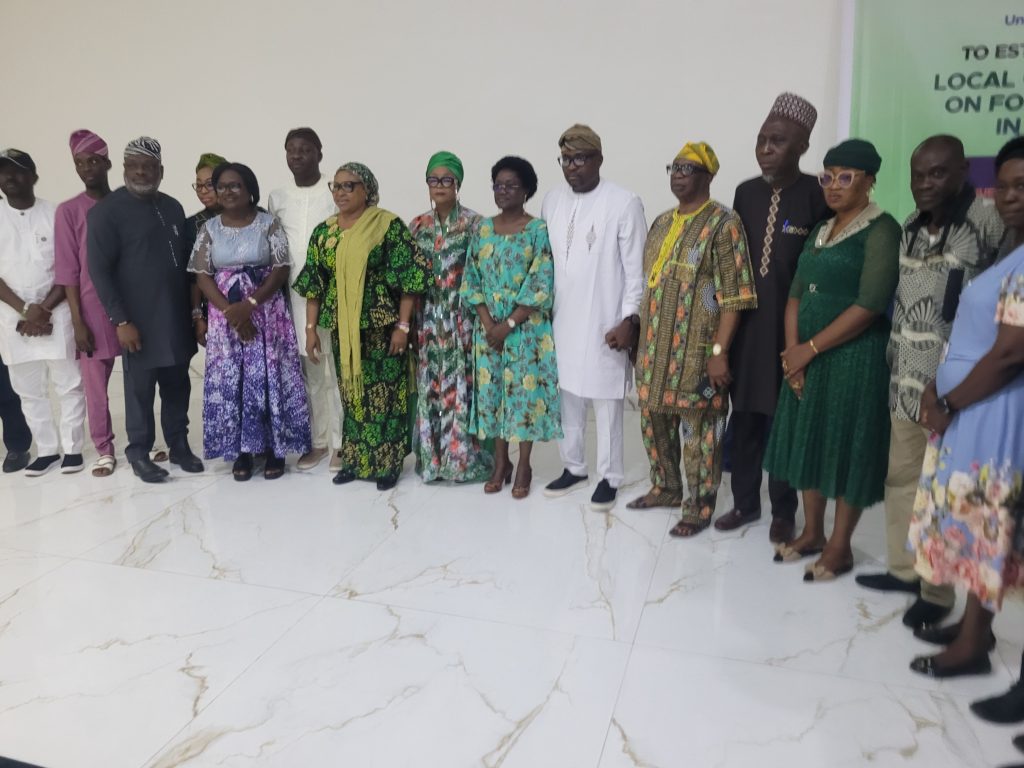
A Multisectoral “Shield”
Mrs. Olayinka Ojo, Permanent Secretary of the Ministry of Economic Planning and Budget (MEPB), represented by Director Mr. Saheed Olowonisaye, emphasized that malnutrition isn’t just about hunger. It is a complex triple threat: undernutrition, overnutrition (obesity), and micronutrient deficiencies.

”Improving nutritional well-being is essential for human development,” Olowonisaye noted, pointing to the state’s long-standing commitment, such as the 2014 introduction of six months’ maternity leave to encourage exclusive breastfeeding.
The new committees are designed to be a “multisectoral shield,” bringing together experts from health, agriculture, and education. Dr. Folashade Oludara, Director of Family Health and Nutrition, explained that proper diet is often as critical as medical treatment in managing chronic diseases like diabetes.
Voices from the Grassroots

The success of this initiative rests on the shoulders of local leaders. Barrister Oluyemisi Adenike Rosiji, Executive Chairman of Ojokoro LCDA, welcomed the program as a vital correction to long-held cultural oversights.

”In African settings, we haven’t always looked closely at food hygiene and combinations,” Rosiji said. “Now, there is a law and a structure. This will reduce malnutrition in children and help adults manage health issues like obesity.”
She highlighted that while nutrition was previously tucked away under the Ministry of Agriculture, its elevation to a key state program ensures it will get the funding and monitoring it deserves. By involving the education department, the program aims to reach pupils early, ensuring the next generation grows up with “healthy living” as a core value.
Bridging the Rural-Urban Divide
The Executive Chairman of Olorunda LCDA echoed these sentiments, pledging that local governments would provide the necessary funding and collaboration to ensure the program reaches the most remote rural areas of the state.
For State Nutrition Officer Mrs. Taiwo Fadairo, the mission is clear: malnutrition is driven by factors at the household and systemic levels. By cascading these committees down to the grassroots, Lagos is no longer just treating the symptoms of malnutrition—it is finally addressing the source.
